

Gamification Marketing: Turning Engagement Into a Game Worth Playing
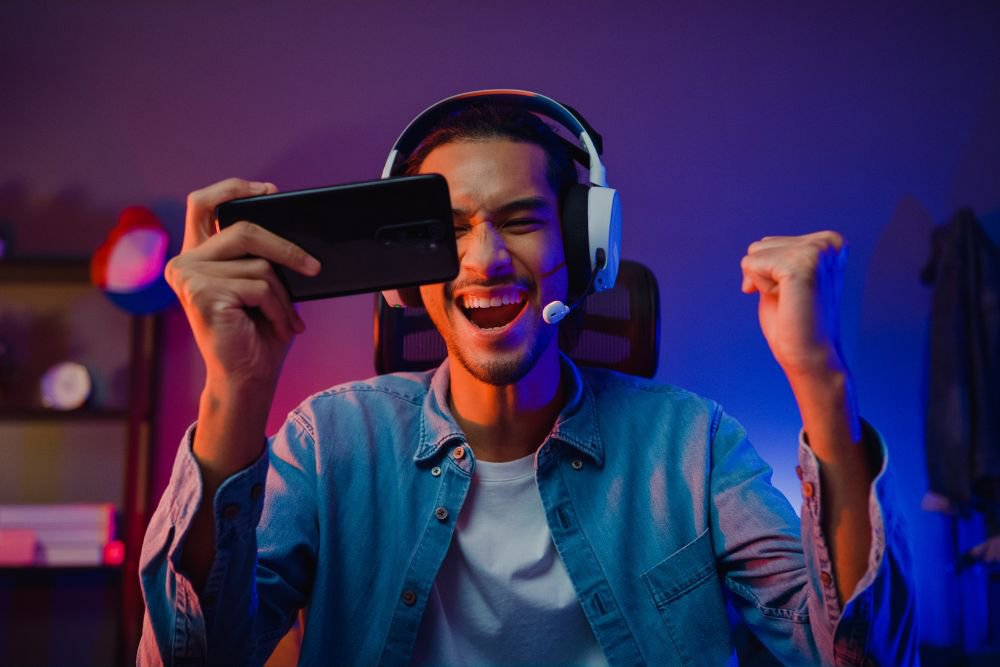
When thoughtfully applied, gamification marketing helps transform passive visitors into highly involved participants who engage with purpose. These intentional experiences encourage interaction that feels valuable, memorable, and aligned with evolving digital expectations.
Gamified tactics also guide customer behavior toward business objectives that emphasize loyalty, retention, and sustained growth. Brands that design structured engagement paths create momentum that motivates users to participate repeatedly and meaningfully. This approach supports measurable impact while strengthening long-term connections across diverse audience segments.
Design Effective Gamification Marketing Mechanics to Drive Desired Behaviors
Strong gamification marketing begins with mechanics that clearly map to the specific participant behaviors you want to inspire. Points, badges, progress bars, and leaderboards help reinforce goals by offering visible cues that guide users forward. These structured elements create engaging pathways that sustain interest and support measurable interaction across your digital ecosystem.
Key steps for defining game mechanics include:
- Identify desired behaviors: Decide which actions, referrals, sharing, or loyalty interactions participants should complete.
- Choose appropriate mechanics: Map points, badges, levels, or leaderboards to these behaviors for clear feedback.
- Ensure transparency: Users should instantly understand how progress is tracked and rewards earned.
- Iterate and refresh: Introduce new challenges or tiers regularly to maintain motivation and excitement.
Visual cues like progress bars and milestone badges reinforce engagement and create clear paths to success. Testing mechanics with a smaller audience segment allows refinement before full rollout, reducing friction and improving long-term performance.
Incorporating social or collaborative mechanics also increases participation, especially when users can compete or progress together. Ongoing measurement and adjustment ensure mechanics remain relevant, motivating, and aligned with business outcomes.
Align Gamification Marketing With Brand Goals and Audience Interests
Gamification marketing initiatives must align closely with brand objectives and clearly defined audience motivations. Whether the goal is awareness, repeat participation, advocacy, or conversion, mechanics should be designed to reinforce that outcome consistently.
Audience research plays a critical role here. Understanding preferences, motivations, and behavior triggers helps ensure experiences feel intuitive rather than forced. Embedding brand identity into the narrative, visuals, and mechanics strengthens recognition at every touchpoint and ensures continuity across campaigns.
Performance data should guide refinement over time. Reviewing participation rates, drop-offs, and reward engagement validates the need for continuous optimization. Regular adjustments prevent misalignment as audience expectations evolve, keeping gamification initiatives credible, relevant, and impactful.
Use Rewards and Recognition to Encourage Participation
Rewards and recognition play a crucial role in gamification marketing, particularly as consumers increasingly expect interactive and memorable digital experiences. Forbes reports that shoppers are 36 percent more likely to spend when quick rewards or challenges are incorporated into their journey. Meaningful incentives like badges, tiered rewards, or engaging pop-ups strengthen motivation and deepen engagement across key customer touchpoints.
Types of rewards and recognition can include:
- Points or virtual badges: Immediate recognition for completing actions or milestones.
- Exclusive access: Unlock content, events, or features as participants advance.
- Status upgrades: Elevated levels or titles reflecting achievement within the gamified system.
- Public recognition: Leaderboards, social-sharing opportunities, or community spotlight features.
Each reward type should reinforce the specific behaviors you want participants to complete in a sustainable way. Award points or badges for referrals or recognize valuable content creation that contributes meaningful community engagement. Continually monitor outcomes and refine structures to ensure your gamification marketing system drives consistent participation, loyalty, and measurable performance.
Integrate Gamified Experiences Across Digital Platforms
To scale gamification marketing effectively, experiences must extend across every digital platform your audience uses. Mapping user journeys across web, mobile, email, social, and offline environments reveals ideal moments for embedding game mechanics.
Automation and cross-channel data flows ensure actions taken in one platform trigger recognition or progress updates in another. Mobile can support quick interactions, email can reinforce progress and rewards, and social channels amplify visibility through peer engagement.
Maintaining consistent design and messaging across platforms reinforces system identity and trust. A scalable backend supports real-time updates, new mechanics, and future integrations, allowing the gamified experience to evolve alongside audience expectations
Measure Engagement and Impact to Optimize Future Campaigns
Measurement and optimization are crucial for ensuring that gamification marketing drives meaningful business outcomes rather than temporary interaction spikes. Studies show that high-performing loyalty programs and gamified strategies can boost revenue by 15–25 percent when mechanics and rewards align effectively. Collecting behavioral data helps identify drop-off points, segment performance, and the mechanics that most strongly influence user decisions.
Dashboards and automation tools make it easier to connect game-flow activity with broader business metrics that matter. Segment analysis clarifies how behaviors differ across channels, reward tiers, and user types, enabling more precise improvements. Iterative refinement over time strengthens engagement patterns, enhances system efficiency, and aligns the gamified experience with evolving organizational objectives.

A Strategic Framework for Gamification Marketing
Executing gamification marketing at scale requires a structured framework.
In the define phase, clarify brand objectives, map desired behaviors, select mechanics, and establish reward logic. During the pilot phase, launch with a subset of users to gather participation data and refine mechanics based on feedback. In the scale phase, deploy across all channels and integrate with CRM, analytics, and marketing automation platforms.
Automation ensures consistent execution, personalized triggers, and seamless multi-channel experiences. Dashboards connect engagement mechanics to business metrics, while governance processes ensure the system evolves into a repeatable engine for loyalty and engagement.
Driving Engagement That Delivers Outcomes
Meaningful outcomes become achievable when gamification marketing aligns user motivation with the broader goals guiding brand growth. Carefully structured mechanics supported by consistent measurement help gamification marketing transform passive interactions into purposeful engagement that strengthens customer connection. This thoughtful integration across platforms ensures every digital touchpoint contributes to a more cohesive and rewarding experience.
Organizations pursuing scalable systems that elevate participation can leverage MO Digital Services to design programs driven by measurable progress. Their specialized team ensures gamification marketing initiatives evolve into reliable engines that promote loyalty, retention, and long-term performance.
Next Steps
- Audit current customer touchpoints to identify where gamification can enhance engagement.
- Define one clear behavior goal before selecting mechanics or rewards.
- Pilot gamified experiences with a small audience segment and measure results.
- Integrate gamification data with CRM and automation platforms for scalability.
- Refine mechanics regularly based on performance and audience feedback.
FAQs
What is gamification marketing?
Gamification marketing uses game-like mechanics such as points, rewards, and challenges to encourage engagement, loyalty, and repeat interaction. It motivates users to take meaningful actions while aligning those behaviors with business goals.
Does gamification work for B2B brands?
Yes. Gamification works well in B2B when focused on education, progression, and value exchange. It encourages deeper interaction with content, tools, and platforms rather than short-term entertainment.
How do you measure gamification success?
Success is measured through engagement metrics, retention rates, conversion paths, and long-term customer value. Connecting game activity to business KPIs provides a clear view of impact.
What platforms support gamification marketing?
Gamification can be integrated across websites, mobile apps, email campaigns, social channels, and CRM systems. Automation tools help ensure experiences remain consistent across platforms.
How often should gamification mechanics be updated?
Mechanics should be reviewed regularly and refreshed as engagement patterns change. Introducing new challenges or rewards keeps experiences relevant and prevents fatigue.